Source Hydroponic Greenhouse for Vegetable, Strawberry, and Tomato
Compare 30 hydroponic greenhouse options including PVC channels and gutters for vegetable, strawberry, and tomato cultivation. These systems feature food-grade materials, water-saving designs, and customizable dimensions for indoor or outdoor production; compare the available evidence and request quotations based on your requirements.
Key considerations
Products List




Comprehensive Sourcing Guide
Hydroponic Greenhouse Sourcing Guide
Product Scope and Observed Listing Signals
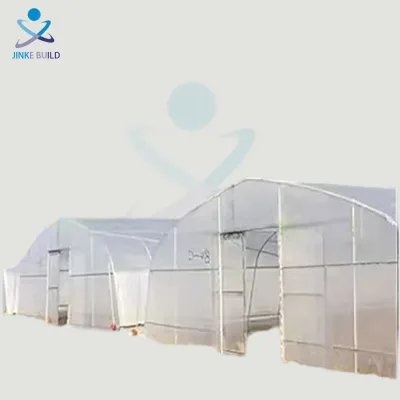
The current market for hydroponic greenhouse components reveals a diverse range of structural and cultivation elements, primarily centered around PVC-based systems. Listings indicate a strong presence of A-frame and vertical hydroponic channels, with product names frequently citing PVC NFT channels and gutters. These items are typically constructed from food-grade PVC material, ensuring suitability for vegetable planting applications such as strawberries, cucumbers, and tomatoes. The observed product attributes highlight a focus on water and fertilizer saving advantages, which are critical for operational efficiency in modern controlled-environment agriculture. Buyers should note that while the core material is consistent, the specific configurations vary significantly, ranging from single-layer setups to multi-span structures with shaped roofs.
Price observations span a wide spectrum, from low-cost individual fittings to high-value structural units, reflecting the complexity of the supply chain. The minimum order quantities (MOQ) generally start at one unit for accessories but scale up to 1000 meters for channel systems, indicating a tiered purchasing model. Delivery times are commonly cited between ten and twenty-five days, suggesting a standardized manufacturing cycle for these specialized agricultural inputs. The market reach is described as worldwide, with origins primarily traced to China, which influences logistics planning and supply chain resilience. Procurement teams must carefully distinguish between standalone gutter components and complete greenhouse structural packages to align their budgeting with the actual scope of the required installation.
Technical Specifications to Verify
When evaluating hydroponic channels and gutters, precise dimensional verification is paramount to ensure compatibility with existing irrigation and support infrastructure. Standard profiles often include dimensions such as 100x50mm or 100x40mm, while specific models may adhere to tighter tolerances like 21x24.5x8.2cm for specialized fittings. Thickness is a critical durability factor, with observed specifications ranging from 2.0mm to 3.2mm, directly impacting the system's resistance to physical stress and environmental wear. Buyers must confirm the exact length options available, which typically include standard 2.9m and 5.8m segments, or customized lengths to fit specific greenhouse bays. Verifying these physical attributes prevents costly modifications during installation and ensures that the nutrient flow dynamics remain optimal for the intended crop type.
Beyond dimensions, the structural integrity and material composition require rigorous scrutiny to guarantee long-term performance in humid greenhouse environments. The use of food-grade PVC is a standard requirement, but buyers should verify anti-UV properties to prevent material degradation under intense sunlight exposure. Accessories such as end caps, connectors, metal racks, and irrigation fittings must be checked for material consistency and mechanical strength. The cultivation method, whether A-frame or vertical, dictates the spatial arrangement and load-bearing requirements of the system. Additionally, the life span of the components, often cited as more than ten years, should be validated against the specific environmental conditions of the installation site, including temperature fluctuations and chemical exposure from nutrient solutions.
Compliance and Safety Documentation
Food safety compliance is the primary regulatory concern when sourcing hydroponic systems intended for edible crop production. Buyers must request documentation confirming that the PVC material meets relevant food-contact standards, ensuring no harmful leaching occurs into the nutrient solution. While specific certification names are not universally listed, the assertion of "food-grade" material necessitates verification through third-party test reports or manufacturer declarations of conformity. This documentation is essential for maintaining the integrity of the supply chain, particularly for buyers targeting markets with strict agricultural and food safety regulations. Without proper compliance evidence, the risk of contaminating high-value crops such as strawberries or leafy greens increases significantly, potentially leading to product recalls and reputational damage.
Environmental and structural safety standards also play a crucial role in the procurement of greenhouse components. The roofing shape and span of the greenhouse structure must comply with local building codes and wind-load requirements, especially for outdoor installations. Buyers should inquire about the testing protocols used to validate the durability of the plastic sheet cover materials and the steel-plastic building materials. Anti-UV properties should be backed by accelerated aging test results to confirm the claimed lifespan of more than ten years. Furthermore, the temporary heating methods and ventilation systems integrated into the greenhouse design must adhere to energy efficiency and fire safety standards. Ensuring that all components meet these broader safety and environmental criteria protects the buyer from operational liabilities and ensures a sustainable growing environment.
Cost Drivers and Commercial Terms
The total cost of ownership for hydroponic greenhouse systems is influenced by several key commercial factors, including material quality, customization levels, and packaging requirements. Standard PVC channels are generally more cost-effective than customized solutions, which may incur additional tooling and engineering fees. The observed MOQ of 1000 meters for channels suggests that economies of scale are significant, and buyers should consider consolidating orders to achieve better pricing. Packaging options, ranging from plastic bags to bulk and wooden packages, directly impact shipping costs and the risk of damage during transit. Wooden packaging, while more expensive, offers superior protection for long-distance international shipments, reducing the likelihood of costly replacements due to transit damage.
Lead times and payment terms are critical components of the commercial negotiation process. The typical delivery window of ten to twenty-five days allows for moderate planning flexibility, but buyers should account for potential delays during peak manufacturing seasons. Clear agreement on delivery terms, such as Incoterms, is essential to define responsibility for freight and insurance. Buyers should also evaluate the cost implications of accessories and fittings, which are often sold separately but are necessary for a complete system. Understanding the full scope of costs, including installation labor and maintenance supplies, helps in creating a realistic budget. Transparent communication regarding any additional fees for customization or expedited shipping prevents unexpected expenses and ensures a smoother procurement experience.
Supplier Qualification and Quality Control
Selecting a reliable supplier for hydroponic greenhouse components requires a thorough assessment of their manufacturing capabilities and quality assurance processes. Buyers should verify the supplier's business type, confirming they are a manufacturer rather than a trading company, to ensure direct control over production quality. Factory audits, whether virtual or on-site, should focus on the consistency of material sourcing, particularly the grade of PVC used. Quality control protocols should include routine inspections for dimensional accuracy, wall thickness uniformity, and surface finish. Suppliers with established quality management systems are better positioned to deliver products that meet the stringent requirements of commercial agriculture, reducing the risk of defective batches.
Communication and after-sales support are equally important indicators of supplier reliability. Buyers should assess the supplier's responsiveness to technical inquiries and their ability to provide detailed product specifications and customization options. A supplier that offers comprehensive technical documentation and support during the installation phase adds significant value to the procurement process. Additionally, the supplier's track record in serving the worldwide market suggests experience in handling diverse regulatory and logistical challenges. Buyers should request references or case studies from previous clients to validate the supplier's performance and product durability. Establishing a strong relationship with a qualified supplier ensures a steady supply of high-quality components and facilitates smoother resolution of any future issues.
Long-Term Procurement Checks
Sustainable procurement practices require ongoing monitoring of supplier performance and product lifecycle management. Buyers should establish key performance indicators (KPIs) to track delivery reliability, product defect rates, and customer service responsiveness. Regular reviews of these metrics help identify potential issues early and allow for corrective actions before they impact operations. Additionally, buyers should stay informed about advancements in hydroponic technology and material science, which may offer improved efficiency or durability. Periodic re-evaluation of the supply base ensures that the procurement strategy remains aligned with evolving market conditions and technological innovations. This proactive approach minimizes disruption and supports continuous improvement in greenhouse operations.
Environmental and social governance (ESG) considerations are increasingly important in long-term procurement strategies. Buyers should assess the supplier's commitment to sustainable manufacturing practices, including waste reduction and energy efficiency. Verifying the recyclability of PVC components and the ethical sourcing of raw materials aligns with broader corporate sustainability goals. Furthermore, buyers should consider the end-of-life disposal options for greenhouse components, ensuring that they comply with local environmental regulations. By integrating ESG factors into the procurement process, buyers not only mitigate risk but also contribute to the long-term viability of the agricultural sector. This holistic approach ensures that procurement decisions support both operational efficiency and environmental stewardship.
FAQs
What material is used for the hydroponic greenhouse channels?
The channels are made from food-grade PVC material, ensuring safety for vegetable and strawberry planting. This durable plastic sheet construction supports both indoor and outdoor applications. The material offers anti-UV properties and a lifespan of more than ten years, making it ideal for long-term production greenhouse operations.
Can I customize the length of the PVC NFT channel?
Yes, customization is available for the PVC NFT channel. Standard lengths include 2.9 meters and 5.8 meters, but you can request specific dimensions to fit your greenhouse structure. This flexibility allows for efficient space utilization in various A-frame or vertical hydroponic system setups.
What is the minimum order quantity for these hydroponic gutters?
The minimum order quantity is 1000 meters for the hydroponic gutters. This bulk requirement applies to the standard food-grade PVC products. Buyers should plan their procurement accordingly to meet this threshold, which helps streamline manufacturing and packaging processes for worldwide delivery.
How long does delivery take for the hydroponic system components?
Delivery typically takes between 10 to 25 days after order confirmation. This lead time covers production and packaging in plastic bags or wooden packages. The exact duration may vary based on order volume and specific customization requests, ensuring timely supply for your greenhouse project.
Which vegetables are suitable for this A-frame hydroponic system?
This system is suitable for growing vegetables such as strawberries, cucumbers, and tomatoes. The single-layer A-frame design with shaped roofing supports vertical cultivation efficiently. It is designed for production greenhouses, offering water and fertilizer savings while maximizing yield in limited indoor or outdoor spaces.
What accessories are included with the PVC gutter system?
The system includes essential accessories like end caps, connectors, metal racks, and irrigation fittings. These components ensure a complete and functional hydroponic setup. The metal rack provides structural support, while the fittings facilitate efficient nutrient delivery for aeroponics or hydroponics applications in your greenhouse.